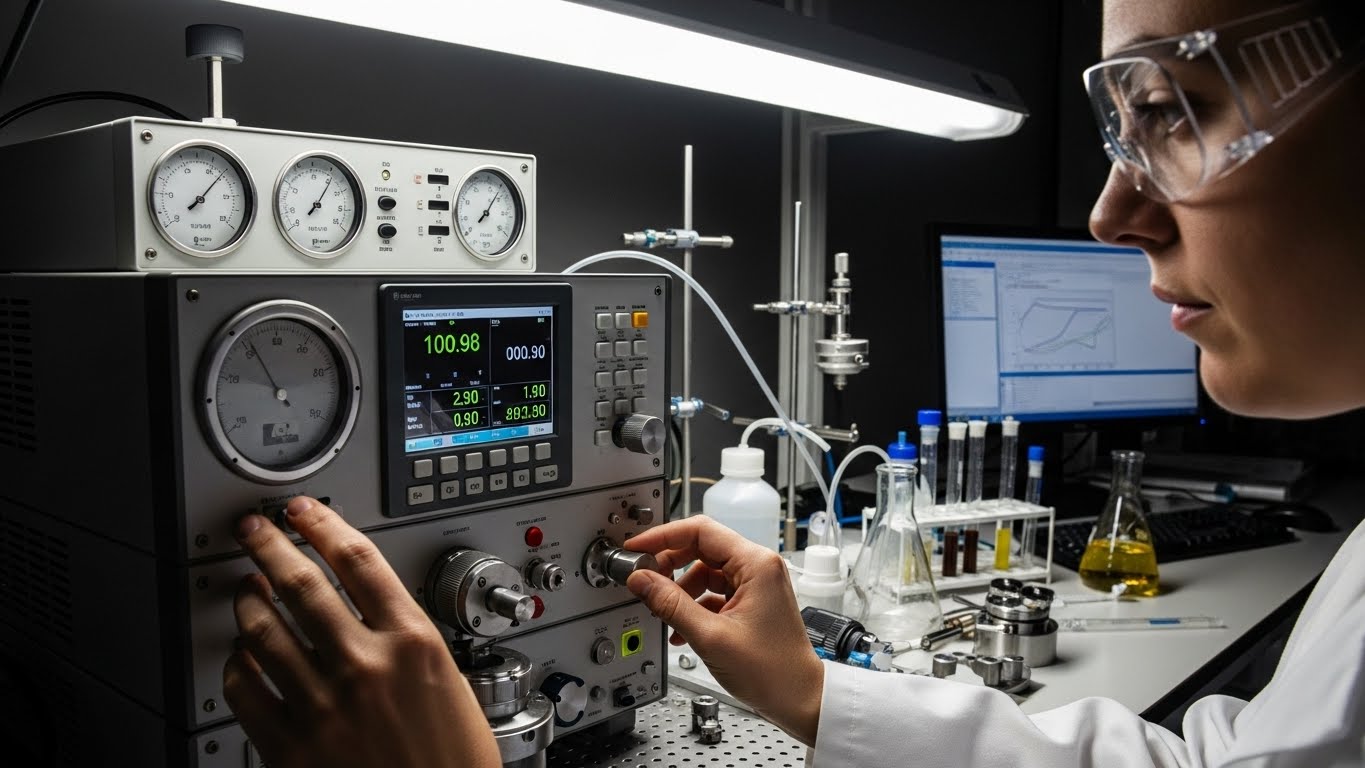
Kalibraatio: Essential Equipment for Accurate Measurements
Kalibraatio is more than just a technical term; it’s the backbone of precision in various industries. When you think about the measurements that dictate quality and safety, calibration plays a crucial role. From manufacturing to healthcare, every sector relies on accurate data to ensure products meet strict standards and regulations. But what exactly does kalibraatio entail? This blog will explore its significance, common tools used, types of services available, and how maintaining calibrated equipment can elevate your business operations. Join us as we delve into the world of precise measurements!
The Importance of Accurate Measurements
Accurate measurements are the backbone of any scientific or industrial process. Without them, results can be misleading and decisions misguided.
In industries such as pharmaceuticals, manufacturing, and food production, precision is crucial. A small deviation in measurement can lead to significant consequences—product recalls, financial losses, even safety hazards.
Customers depend on consistent quality. By ensuring that measurements are accurate, businesses build trust with their clients. This also fosters brand loyalty over time.
Moreover, regulatory compliance often hinges on precise measurement standards. Failing to meet these requirements can result in hefty fines or legal issues.
Investing in calibration processes enhances operational efficiency too. Equipment running out of spec might waste materials or produce defective items.
Maintaining accuracy not only supports effective operations but also drives business growth and innovation across various sectors.
Common Tools Used in Calibration
Calibration relies on a variety of tools to ensure accuracy and precision. These instruments play a crucial role in industries like manufacturing, healthcare, and scientific research.
One common tool is the multimeter. It measures voltage, current, and resistance—essential for electrical calibration tasks. Another vital instrument is the micrometer, which provides precise measurements of small distances or thicknesses.
Pressure gauges are also indispensable when calibrating equipment that operates under pressure. They verify that readings align with established standards.
Temperature calibration often involves thermocouples or infrared thermometers to check the accuracy of thermal devices. Each tool serves a specific purpose in maintaining high-quality measurement standards across various applications.
Choosing the right instrument can significantly affect outcomes in terms of reliability and compliance with industry regulations.
Types of Calibration Services Available
Calibration services come in various forms, each tailored to meet specific industry needs. One of the most common types is dimensional calibration. This ensures that instruments measuring length and size are precise.
Another essential service is electrical calibration. It focuses on devices that measure voltage, current, and resistance. Accurate readings in this area can enhance safety and performance across multiple applications.
Thermal calibration measures temperature-sensitive equipment, ensuring accuracy in environments where heat plays a crucial role.
For laboratories, mass calibration is vital. Balances must be checked regularly to guarantee consistent results for scientific experiments.
Software calibration has gained importance as technology advances. Many modern systems require periodic checks to maintain data integrity.
Each type plays a significant role in maintaining standards across industries. Choosing the right service depends on your specific equipment and operational requirements.
Best Practices for Maintaining Calibrated Equipment
To ensure accurate measurements, regular maintenance of calibrated equipment is crucial. Keep your devices clean and free from dust. A simple wipe can prevent debris from affecting performance.
Store equipment in a controlled environment. Extreme temperatures or humidity can lead to inaccuracies over time. Proper storage helps maintain the integrity of calibration.
Conduct periodic checks between formal calibrations. This practice acts as an early warning system for any potential issues, allowing you to address them before they escalate.
Train staff on proper usage techniques. Understanding how to handle and operate the equipment minimizes human error and prolongs lifespan.
Document all calibration activities meticulously. Records provide valuable insight into performance trends and help identify when recalibration is necessary, ensuring consistent accuracy across all measurements.
Benefits of Regular Calibration for Businesses
Regular calibration offers numerous advantages for businesses aiming to enhance efficiency and accuracy. By ensuring that instruments are correctly calibrated, companies can achieve consistent results in their processes.
Accurate measurements lead to improved product quality. This reduces waste and minimizes costly errors during production. When every tool operates at peak performance, the risk of rework decreases significantly.
Furthermore, compliance with industry standards often requires regular calibration. Staying compliant not only avoids penalties but also builds trust with clients and partners.
Investing in routine calibration enhances operational reliability as well. Employees gain confidence in using tools that deliver precise readings, fostering a culture of accountability and excellence.
Maintaining calibrated equipment extends its lifespan. Regular checks identify wear or issues before they escalate into expensive repairs or replacements.
Choosing the Right Calibration Company
Choosing the right calibration company can significantly impact your operations. Start by looking for certifications and accreditations that validate their expertise in kalibraatio.
Experience matters. Companies with a long-standing history often bring valuable insights into various industries. They understand specific needs and challenges, ensuring more precise results.
User reviews are another crucial factor. Check testimonials to gauge customer satisfaction and reliability.
Consider location too. A nearby provider can facilitate quicker turnaround times, minimizing downtime in your processes.
Don’t forget about technology—advanced equipment enhances accuracy and efficiency in calibrating tools. Ask potential partners about the methods they use to ensure compliance with industry standards.
Inquire about service flexibility. A good calibration company should adapt to your schedule, providing support without interrupting your workflow.
Conclusion
Kalibraatio plays a vital role in various industries, ensuring that measurements are precise and reliable. The importance of accurate measurements cannot be overstated, as they directly impact product quality and operational efficiency. By utilizing common tools such as gauge blocks, weighing scales, and thermometers for calibration, businesses can maintain high standards.
Different types of calibration services cater to the needs of specific equipment or industry requirements. Regular maintenance practices are crucial for keeping calibrated equipment performing optimally. Benefits like improved accuracy, reduced downtime, and increased customer trust highlight why regular calibration is essential for businesses striving for excellence.
When selecting a calibration company, it’s important to consider their experience and certification. A trusted partner can make all the difference in achieving consistent results.
Investing time and resources into proper kalibraatio not only enhances performance but also fosters a culture of precision within your organization. Embracing these practices can lead to greater success in today’s competitive market landscape.