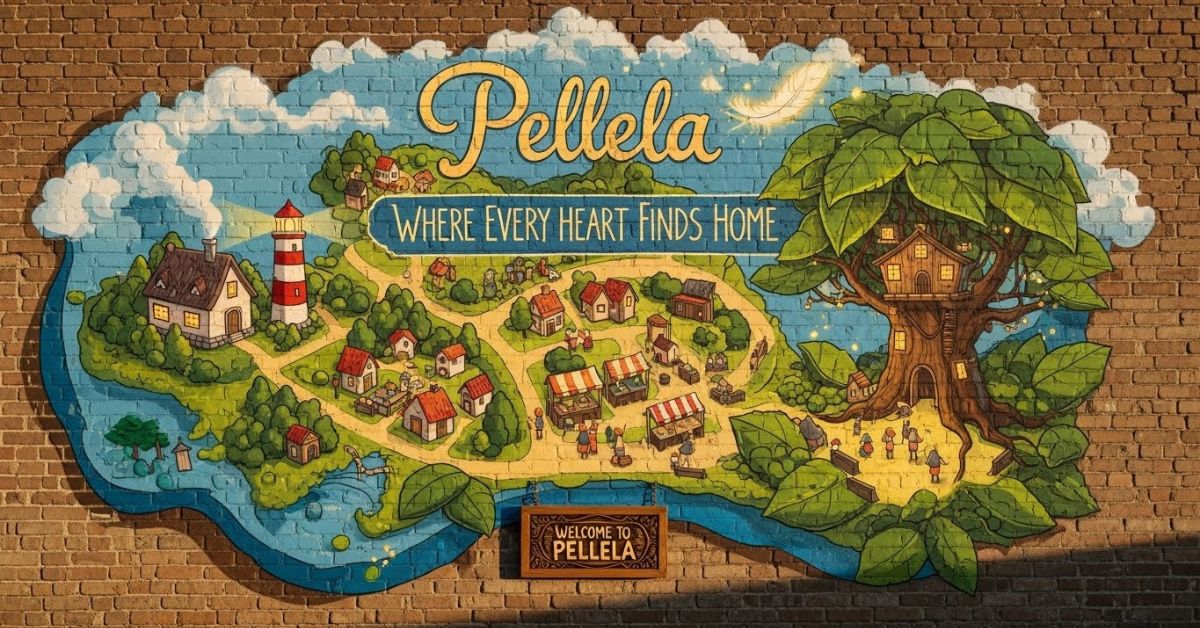
Pellela: A Word That Feels Like Home
Have you ever stumbled upon a word that feels like it’s steeped in history, emotion, and untold stories? Enter pellela. This seemingly simple term holds a depth that invites curiosity. It dances on the tongue, conjuring images of warmth and connection. Pellela is not just another entry in the dictionary; it resonates with feelings of home and belonging. As we peel back its layers, you’ll discover how this single word encapsulates powerful emotions and cultural significance. Let’s dive into the enchanting world of pellela together.
The origin and meaning of pellela
Pellela is a word that carries an immediate sense of warmth and familiarity, rooted in traditions where language was used to preserve emotion as much as meaning.
Its origins are often linked to ancient storytelling practices, where words served as vessels for memory and connection. Rather than pointing to a single physical place, the term reflects an emotional state—one defined by comfort, safety, and belonging.
Across generations, this expression has survived because it speaks to a universal human experience. It captures the feeling of returning to something familiar, whether that familiarity comes from people, places, or moments etched into memory.
Also Read Liopad Meaning, Use, and Context Explained
Cultural significance and usage of pellela
Pellela holds cultural weight far beyond its simplicity, often symbolizing unity and shared identity within communities.
In many traditions, it appears in stories, celebrations, and spoken expressions that highlight togetherness. Its presence is subtle yet powerful, reminding people of their roots and the bonds that tie them together.
Artists and storytellers frequently lean on such expressions to convey depth without explanation. Through songs, poems, and oral traditions, the idea behind the word continues to bridge generations, carrying emotional meaning rather than literal definition.
Personal anecdotes and experiences with pellela
Pellela often enters personal memory quietly, becoming meaningful through lived experience rather than explanation.
I recall evenings spent among friends where conversation flowed effortlessly and laughter filled the space. Moments like these gave the word its emotional context, turning it into a symbol rather than a sound.
Over time, it became associated with family gatherings, childhood summers, and simple joys that linger long after they pass. In this way, the term transforms into an emotional anchor, tying individual memories to a shared human feeling.
Exploring the emotions and themes associated with pellela
Pellela reflects a range of emotions that most people recognize instinctively—comfort, nostalgia, and a longing for connection.
It mirrors the relief felt when returning to familiar surroundings and the quiet joy of being understood without explanation. These emotions are not dramatic but deeply grounding.
The themes connected to the word highlight what sustains people through change: relationships, emotional safety, and moments of genuine understanding. Its meaning lives not in complexity, but in emotional truth.
Pellela in literature and pop culture
Pellela has found subtle expression in creative works that explore identity, belonging, and emotional refuge.
Writers often use similar concepts to represent safe spaces or emotional turning points within a narrative. In poetry, the idea surfaces as a symbol of longing or return, offering readers a sense of calm amid uncertainty.
In film and music, its essence appears in moments where characters reconnect with themselves or others. Though not always named directly, the emotional role it plays is unmistakable across artistic mediums.
Personal connection to pellela
Pellela carries a deeply personal resonance for many, shaping how moments and places are remembered.
For me, it recalls kitchens filled with conversation, quiet landscapes at sunset, and shared silences that needed no words. These experiences gave the term its emotional depth.
In everyday conversation, it becomes shorthand for comfort and familiarity. Its power lies in how effortlessly it conveys meaning that might otherwise take many words to explain.
The enduring power of a single word to evoke a whole world
Pellela demonstrates how one expression can hold layers of memory, emotion, and connection.
Though interpretations may differ, the core feeling remains universal. It reflects the human desire to belong, to feel understood, and to carry pieces of the past into the present.
Words like this remind us that language is not only about communication, but also about preservation—of feelings, experiences, and shared humanity.
The future of pellela as a word and concept
Pellela continues to evolve alongside the cultures that give it meaning.
As communication becomes more global, such expressions may gain broader recognition, adapting to modern contexts while retaining emotional depth. Digital spaces could further amplify its reach, allowing new generations to connect with its essence.
Writers, artists, and creators will likely reinterpret it in fresh ways, ensuring that its emotional relevance endures. Its ability to symbolize connection and belonging positions it as a lasting part of human expression.
Also Read Valplekar : Understanding Puppy Play and Development
FAQS
What Does Pellela Mean?
Pellela can be seen as an expression of warmth and connectedness, similar to the feelings people associate with home, comfort, or a close-knit community.
Where Does The Word Come From?
While it does not have a clearly documented origin in traditional languages, many believe it emerged from colloquial or cultural expressions that emphasize emotional bonds and shared human experiences.
How Can I Use This Feeling In My Everyday Life?
You can express it naturally in conversations when discussing comfort, intimacy, nostalgia, or moments that carry personal meaning—much like people do when talking about belonging or emotional safety.
Does It Appear In Any Literature Or Pop Culture References?
Although direct references may be limited due to its evolving nature, the emotions it represents—connection, belonging, and warmth—frequently appear as central themes in literature, film, and music.
Can Anyone Relate To This Feeling?
Yes, absolutely. The emotion behind it crosses cultural and personal boundaries, reflecting a universal human desire for connection, understanding, and emotional security.