Piragnia: Exploring Its Habitat and Global Distribution
Welcome to the fascinating world of Piragnia, a creature that has captured the imagination of scientists and nature enthusiasts alike. Imagine wandering along a riverbank, where the sunlight dances on crystal-clear water, and suddenly spotting a vibrant, mysterious organism thriving in its element. Piragnia evokes that very sense of wonder. Its presence tells a story of resilience, adaptability, and harmony within its ecosystem. Observing this species is like watching nature perform a delicate ballet, where every movement has meaning, and every habitat is a stage waiting to be explored. From hidden streams to serene lakes, the journey to understand Piragnia reveals not just biology but a deeper connection to the natural world.
What is Piragnia?
Piragnia is a remarkable aquatic organism known for its unique features and versatile behavior. Belonging to the freshwater realm, it exhibits an extraordinary ability to adapt to a range of environmental conditions. Scientists often categorize it based on physical traits, behavior, and habitat preferences.
This species demonstrates fascinating feeding habits that vary with its surroundings. Depending on availability, it can engage in predation or herbivory, making it a dynamic participant in its ecosystem. Its presence also serves as a reliable indicator of environmental health, signaling the stability of freshwater systems. Biologists and ecologists often turn to this creature to study ecosystem balance, biodiversity, and environmental changes, making it a cornerstone of scientific research in aquatic habitats.
Also Read Ronenia : Unraveling the Mystery Behind the Name
The Natural Habitat of Piragnia
Piragnia thrives in diverse freshwater landscapes such as rivers, lakes, swamps, and streams. These environments provide the necessary shelter, food, and breeding areas essential for survival. Thick vegetation not only offers hiding spots from predators but also fosters a safe space for reproductive activities.
Water quality is another crucial factor. Clean, oxygen-rich water supports healthy populations and ensures proper growth. Moderate flow rates are ideal, maintaining stable temperatures that allow this species to flourish. In some cases, they can even be found in brackish waters, highlighting a remarkable ability to endure fluctuating conditions. Preserving these habitats is vital, as they are intricately linked to the survival of the species and the broader health of the ecosystem.
Distribution of Piragnia Around the World
The distribution of Piragnia spans tropical and subtropical regions where freshwater ecosystems are abundant. Lush riverbanks, serene lakes, and slow-flowing streams provide ideal conditions for this species to thrive.
Its presence across continents like South America and parts of Africa demonstrates its adaptability to diverse climates and geographical conditions. Seasonal variations in temperature and rainfall influence behavior, feeding, and reproduction. By studying these distribution patterns, researchers gain insights into how environmental factors shape populations and the broader biodiversity of aquatic habitats. Every recorded sighting contributes to our understanding of ecological balance and the interconnectedness of natural systems.
Factors Affecting the Distribution of Piragnia
Several environmental factors dictate where this species can establish itself successfully. Climate is a major determinant, with temperature and humidity ranges influencing survival and reproductive rates. Soil composition indirectly affects populations by supporting vegetation that provides food and shelter.
Human activities, such as urban expansion, deforestation, and pollution, disrupt habitats, reducing viable areas for the species. Additionally, competition with other aquatic organisms can restrict access to essential resources, affecting growth and distribution. Understanding these influences is critical for developing strategies to protect ecosystems and ensure the continued presence of these resilient creatures in their natural environments.
Unique Characteristics and Adaptations of Piragnia
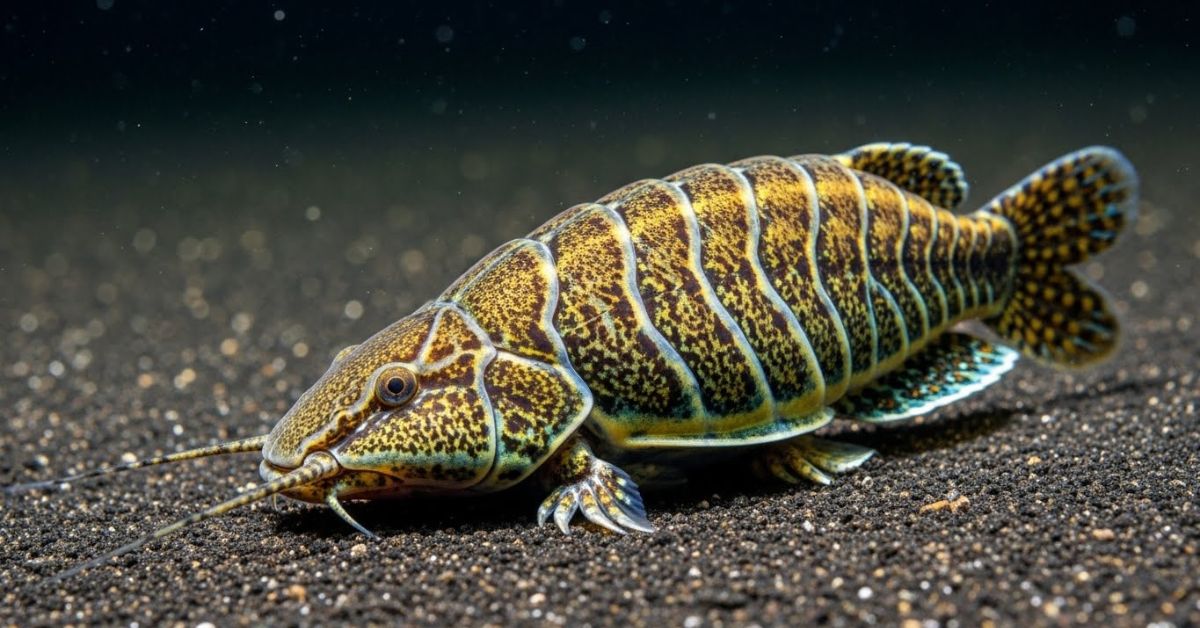
This organism is distinguished by vibrant coloration, which serves both as a warning to predators and as camouflage within its surroundings. Adaptability is a hallmark trait, allowing survival in varying water conditions, from slow freshwater streams to slightly brackish coastal areas.
Specialized feeding mechanisms, including sharp teeth and keen sensory abilities, enable efficient predation. Social behaviors, such as group dynamics during breeding seasons, enhance protection and reproductive success. These remarkable adaptations highlight the ingenuity of nature, demonstrating how species evolve to thrive even amidst changing environmental pressures.
Conservation Efforts for Piragnia’s Natural Habitat
Conservation of habitats that support Piragnia focuses on preserving delicate ecosystems and restoring areas affected by human activity. Organizations implement restoration programs that rebuild natural landscapes, ensuring the availability of clean water, vegetation, and shelter.
Community involvement is key. Local populations participate in awareness programs, adopt sustainable practices, and contribute to monitoring environmental changes. International collaborations also play a role, supporting research and protection of critical habitats. Funding and scientific studies ensure that both current populations and future generations benefit from these efforts, preserving the intricate balance of freshwater ecosystems where this species thrives.
Conclusion
Piragnia represents more than a species; it is a symbol of nature’s artistry and resilience. Its vibrant patterns and adaptive behavior remind us of the delicate balance within aquatic ecosystems.
Protecting its habitat requires knowledge, community participation, and continued scientific research. Awareness campaigns, sustainable practices, and habitat restoration are essential to ensure this organism flourishes for generations to come. By valuing and safeguarding the natural world, we not only preserve Piragnia but also enrich our own connection to life’s intricate wonders.
Also Read Pellela : A Word That Feels Like Home
FAQs
What is Piragnia?
Piragnia is a genus of freshwater organisms found primarily in South American rivers and lakes. Known for their vibrant colors and adaptive behaviors, they are key indicators of ecological health.
Where do these creatures typically live?
They inhabit freshwater systems such as rivers, lakes, and streams with abundant vegetation. These areas provide shelter and breeding grounds essential for survival.
How does climate affect their distribution?
Temperature and seasonal changes influence feeding, movement, and reproduction. Warmer climates generally support higher population densities.
Are Piragnia populations threatened?
Yes, habitat loss, pollution, and competition with other species pose challenges. Conservation efforts are critical to maintaining healthy populations.
What unique behaviors do they display?
Many display social dynamics during breeding seasons and possess specialized feeding techniques that aid in survival.