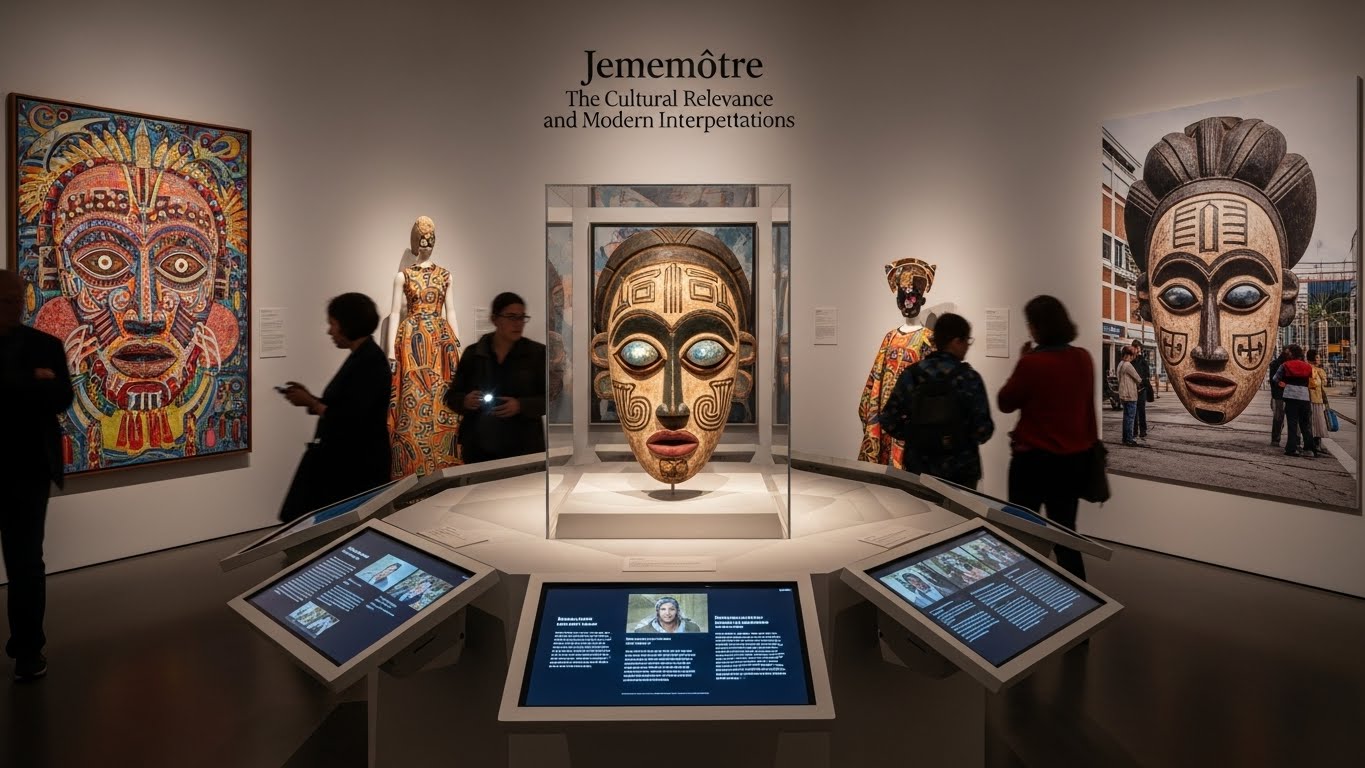
Jememôtre: The Cultural Relevance and Modern Interpretations
Jememôtre is a term that resonates deeply within the fabric of indigenous cultures. It embodies a rich tapestry of history, tradition, and meaning. But what exactly does it signify? As we delve into its roots and contemporary interpretations, we will discover how this concept transcends time and continues to shape cultural identity today. With each layer unveiled, Jememôtre reveals not just an idea but a way of life that has endured through generations. Join us on this enlightening journey as we explore its historical significance and modern relevance in today’s society.
Historical Context and Origins
Jememôtre has deep roots that trace back to ancient indigenous civilizations. Its origins are steeped in the traditions and beliefs of these communities, reflecting their connection to nature and spirituality. Historically, Jememôtre served as a vital cultural symbol. It encapsulated values such as respect for ancestors and reverence for the earth. This relationship fostered a sense of identity among diverse tribes.
The practice likely evolved through generations, intertwining with various rituals and ceremonies unique to each culture. Through storytelling, art, and dance, Jememôtre became more than just an expression; it was a way of life. As colonial influences emerged over time, many aspects of Jememôtre faced challenges. Yet its essence remained resilient amidst changing landscapes. Each iteration carries fragments of history that continue to resonate today.
The Significance of Jememôtre in Indigenous Cultures
Jememôtre holds a profound significance in Indigenous cultures, acting as a bridge between the spiritual and physical worlds. It embodies deep-rooted beliefs that celebrate harmony with nature and community. For many tribes, Jememôtre represents ancestral wisdom passed down through generations. It fosters connections to one’s heritage, reminding individuals of their roles within the larger tapestry of life.
Ceremonies surrounding Jememôtre often involve storytelling, dance, and art. These practices not only preserve traditions but also instill cultural pride among younger members. Through rituals associated with Jememôtre, communities strengthen bonds while honoring the spirits of ancestors. This practice reinforces collective identity and resilience against external influences.
In today’s world, where globalization threatens unique traditions, Jememôtre stands as a vibrant reminder of cultural diversity’s importance. Communities are eager to share its significance while ensuring it remains relevant for future generations.
Traditional Practices and Ceremonies
Traditional practices surrounding Jememôtre are deeply rooted in the rhythms of nature. These ceremonies often coincide with seasonal shifts, marking significant moments within Indigenous communities.
Rituals may include dances that tell stories passed down through generations. Participants don traditional attire woven from natural materials, symbolizing their connection to the land. The use of drums and chants creates a powerful atmosphere, fostering unity among participants.
Ceremonies can also involve offerings to spirits or ancestors. This act honors those who came before while seeking guidance for future endeavors. Each gesture holds meaning, reinforcing the community’s identity and values.
Food plays a pivotal role as well—shared meals create bonds among families and friends. Through these gatherings, cultural heritage is preserved and celebrated, ensuring it thrives for years to come.
These vibrant expressions reflect resilience and strength within Indigenous cultures while adapting to modern contexts without losing their essence.
Modern Interpretations and Adaptations
Modern interpretations of Jememôtre vary widely, reflecting the diverse perspectives of contemporary artists and cultural practitioners. Many have begun to blend traditional elements with modern aesthetics, creating new forms of expression.
Some visual artists incorporate themes from Jememôtre in their work, using vibrant colors and innovative techniques. Their pieces often challenge viewers to reconsider historical narratives while celebrating indigenous heritage.
In music, new genres emerge that fuse traditional melodies with modern rhythms. This evolution invites younger generations to engage with their roots in a way that feels relevant today.
Dance performances inspired by Jememôtre also gain popularity. Choreographers mix classic movements with contemporary styles, demonstrating the adaptability of these age-old traditions.
Social media platforms play a crucial role too. They provide spaces for education and dialogue about Jememôtre’s significance, allowing voices from different backgrounds to share their interpretations globally.
Controversies and Misinterpretations of Jememôtre
Jememôtre has found itself at the center of various controversies over recent years. While many celebrate its cultural significance, others misinterpret its practices and meanings.
One common misunderstanding arises from the appropriation of Jememôtre in popular culture. This often leads to superficial representations that strip away its rich history and context. Such portrayals can diminish the depth of what Jememôtre truly represents for Indigenous communities.
Furthermore, there are debates within these communities about how much traditional practice should adapt to modern times. Some argue that preserving authenticity is crucial, while others advocate for evolution as a means of survival in a changing world.
These discussions can create tension among practitioners and supporters alike. Misinterpretation not only affects community identity but can also hinder efforts towards cultural preservation.
Importance of Preserving and Honoring Cultural Traditions
Cultural traditions serve as the backbone of identity for many communities. They tell stories, preserve history, and foster a sense of belonging. When we honor these practices, we connect with our ancestors and their wisdom.
Preserving such traditions is vital in a world that often prioritizes commercialization over authenticity. By keeping cultural practices alive, future generations gain insight into their heritage. It’s not merely about celebration; it’s about understanding one’s roots.
Moreover, honoring diverse customs promotes respect among different cultures. This fosters unity in an increasingly globalized society where differences can sometimes lead to division.
Engaging with cultural traditions encourages creativity and innovation too. Artists draw inspiration from age-old rituals, blending them with modern expressions to create something entirely new while still paying homage to the past.
Conclusion
Jememôtre serves as a significant cultural symbol deeply rooted in Indigenous traditions. Its historical context illustrates how these practices have shaped identities and community bonds across generations. Understanding Jememôtre’s origins enriches our appreciation of the stories, rituals, and meanings embedded within this tradition.
The significance of Jememôtre extends beyond its ceremonial aspects; it represents a connection to ancestors and the natural world. Traditional practices surrounding Jememôtre foster unity, respect for nature, and a collective identity among Indigenous peoples.
As we explore modern interpretations of Jememôtre, it’s clear that adaptability plays a key role in keeping traditions alive. While some may embrace contemporary expressions of this practice, others argue for stricter adherence to traditional forms. This ongoing dialogue reflects the dynamic nature of culture itself.
Controversies often arise when outsiders misinterpret or appropriate elements of Jememôtre without understanding their true meaning or significance. Such actions can dilute its essence and undermine the very communities that hold it dear.
Preserving cultural traditions like Jememôtre is vital not only for Indigenous communities but also for fostering mutual respect among diverse cultures worldwide. These practices remind us of our shared humanity while celebrating unique histories and values.
Recognizing the richness behind Jememôtre invites all individuals to reflect on their own cultural narratives while honoring those that are different from theirs. Each story adds depth to our global tapestry—an invitation to learn more about one another through respectful engagement with these cherished traditions.