
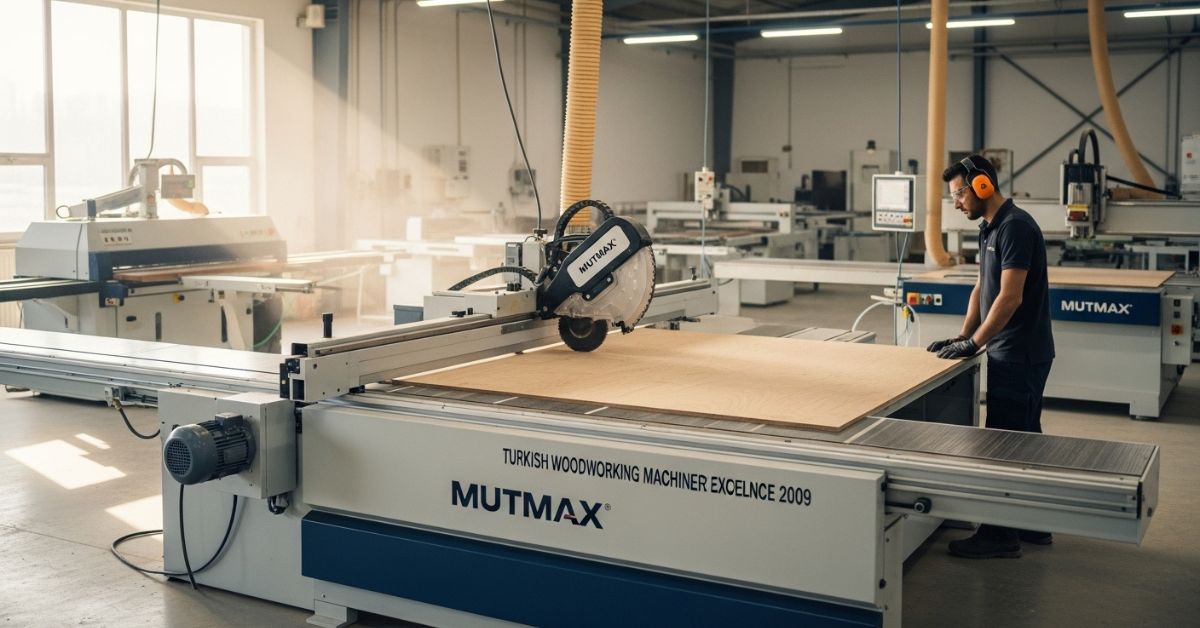
Mutmax: Turkish Woodworking Machinery Excellence Since 2009
Walk into any furniture workshop in Turkey, and you’ll likely spot equipment with the Mutmax name stamped on it. There’s a reason for that—when you’re shaping wood day after day, you need machines that don’t quit halfway through a job.
Mutmax Makina is a Turkish manufacturer specializing in woodworking and furniture machinery, established in 2009 in Bursa. The company produces wood lathes, sanding equipment, CNC turning machines, and specialized furniture production tools designed for efficiency, durability, and consistent performance across domestic and international markets.
Bursa isn’t just where Mutmax set up shop by accident. This city’s been a manufacturing hub for decades, with skilled metalworkers and engineers embedded in the local culture. When Mutmax launched in 2009, they tapped into that expertise.
What sets them apart isn’t complicated—they focus on making machines that actually work under real production conditions. I’ve noticed many equipment manufacturers design beautiful machines that look great in catalogs but struggle when you’re running them eight hours straight. Mutmax took a different approach from day one: build for the workshop floor, not the showroom.
Their philosophy centers on three principles that sound simple but are harder to execute than you’d think: high operational performance, maximum efficiency, and resource conservation. That last part matters more than people realize—wasting electricity or materials adds up fast when you’re manufacturing furniture at scale.
Core Product Categories That Drive Their Business
Let me break down what Mutmax actually makes, without the technical jargon that nobody outside the industry understands.
Kopyalı Ağaç Tornası (Copy Lathes)
These are wood lathes that use templates to replicate shapes. Think about making table legs—you want each one identical. The copy lathe follows a template to turn out consistent pieces every single time. No guesswork, no measuring between cuts.
Zımparalı Kopyalı Ağaç Tornası (Copy Lathes with Sanding)
Same concept, but these machines add sanding capability in one operation. You’re shaping and smoothing wood simultaneously, which cuts production time significantly. When you’re running a small workshop with limited space and labor, combining steps like this makes perfect sense.
İkili Zımpara Makinası (Dual Sanding Machines)
Two sanding heads working together to polish wood surfaces. The dual-head design ensures even pressure distribution and consistent finish quality. You’re getting professional results faster than single-head alternatives.
İki Eksen CNC Torna (Two-Axis CNC Lathes)
Computer-controlled turning machines that automate precision work. Once programmed, these produce identical wood components with minimal human intervention. Perfect for furniture manufacturers who need hundreds of the same part with zero variation.
Who’s Actually Using Mutmax Equipment
You’ll find their machines in surprisingly diverse settings.
Small woodworking shops appreciate Mutmax because the equipment doesn’t require industrial-scale budgets. A two-person operation making custom furniture can afford these machines and actually profit from the investment within a reasonable timeframe.
Medium-sized furniture manufacturers use Mutmax for production lines. When you’re making 50 dining tables per week, consistency becomes critical. Their machines deliver that reliability without the premium price tags of European brands.
Larger factories incorporate Mutmax equipment alongside other manufacturers’ machines. It’s common to see mixed production floors where Mutmax lathes work beside German saws and Italian sanders. The equipment plays nicely with others, which matters when you’re coordinating complex manufacturing processes.
Even specialty door manufacturers rely on Mutmax machinery. Door production has unique requirements—specific thickness tolerances, consistent edge finishing, and repetitive profile work. The copy lathes excel at this type of specialized production.
What Makes Turkish Manufacturing Competitive
Here’s something people don’t always understand about Turkish industrial equipment: it offers a middle ground between cheap Chinese imports and expensive European machinery.
Chinese equipment often costs less upfront but might need frequent repairs or replacement parts. European machines deliver exceptional quality but come with price tags that make small businesses think twice. Turkish manufacturers like Mutmax sit in that sweet spot—solid build quality at prices that make financial sense.
Turkey’s proximity to both European and Middle Eastern markets gives them logistics advantages too. Shipping from Bursa to Germany takes less time than shipping from China, and service support can actually reach you when problems arise.
The engineering talent in Turkey deserves mention as well. These aren’t copycat factories—Turkish engineers bring legitimate innovation to woodworking machinery design, often adapting European concepts for emerging market realities.
Common Challenges with Woodworking Equipment
I’ve seen businesses make the same mistakes when buying industrial machinery, regardless of the brand they choose.
Overlooking After-Sales Support
You can buy the most reliable machine on Earth, and something will eventually need adjustment or repair. Companies that ignore after-sales service end up with expensive paperweights when issues arise. Mutmax addresses this through their contact channels and service network, though international buyers should verify local support availability.
Ignoring Workspace Requirements
These machines need proper floor space, electrical capacity, and ventilation. Don’t measure your workshop, buy the equipment, and then discover you can’t actually fit it where you planned. Mutmax provides technical specifications for all models—use them.
Skipping Operator Training
CNC machines aren’t plug-and-play for someone who’s only used hand tools. Proper training prevents accidents, extends equipment life, and actually delivers the productivity gains you bought the machine for in the first place.
The Digital Presence Strategy
Mutmax maintains visibility through multiple channels that reflect how modern B2B buyers actually research purchases.
Their Instagram account (@mutmaxmakinaa) showcases machines in operation, which helps potential buyers see real-world applications. Product catalogs exist both in print and downloadable digital formats—practical for engineers who need specifications for purchase approvals.
The company participates in industry trade shows like Woodtech Fuarı, where buyers can examine machines hands-on. There’s no substitute for physically testing equipment before committing to a purchase, especially for higher-priced CNC systems.
Contact information remains straightforward: they’re based at Samanlı Mah.Çatıl Sk.No:68/A in Bursa’s Yıldırım district, reachable by phone at +90 543 375 20 03, or email at [email protected].
How Mutmax Fits Into Industry Trends
Woodworking machinery isn’t static—it evolves alongside manufacturing techniques and market demands.
Automation continues gaining traction even in smaller workshops. What required three skilled workers in 2009 might need one operator and a CNC machine today. Mutmax’s two-axis CNC lathes tap into this trend, offering affordable automation to businesses that couldn’t previously justify the investment.
Customization capabilities matter more than ever. Furniture buyers want personalized pieces, not mass-produced identical items. Machines that can quickly switch between different profiles or shapes without extensive retooling give manufacturers flexibility to serve these customers profitably.
Energy efficiency influences purchase decisions now too. Operating costs add up over a machine’s lifetime, and equipment that consumes less power while maintaining performance creates real competitive advantages.
What Separates Reputation from Marketing
Any company can claim quality and reliability—proving it requires different evidence.
Mutmax’s longevity since 2009 suggests they’re doing something right. Sixteen years might not sound like forever, but in industrial machinery, companies that produce unreliable equipment don’t typically last that long. Word spreads fast in manufacturing communities.
Their product range evolution tells a story too. They started with core woodworking machines and gradually expanded into CNC technology, indicating they’re keeping pace with industry advancement rather than remaining stuck with 2009-era designs.
The dual focus on domestic and export markets demonstrates versatility. Serving Turkish customers requires understanding local production needs and budgets. Export success means meeting international quality expectations and documentation standards. Balancing both isn’t simple.
