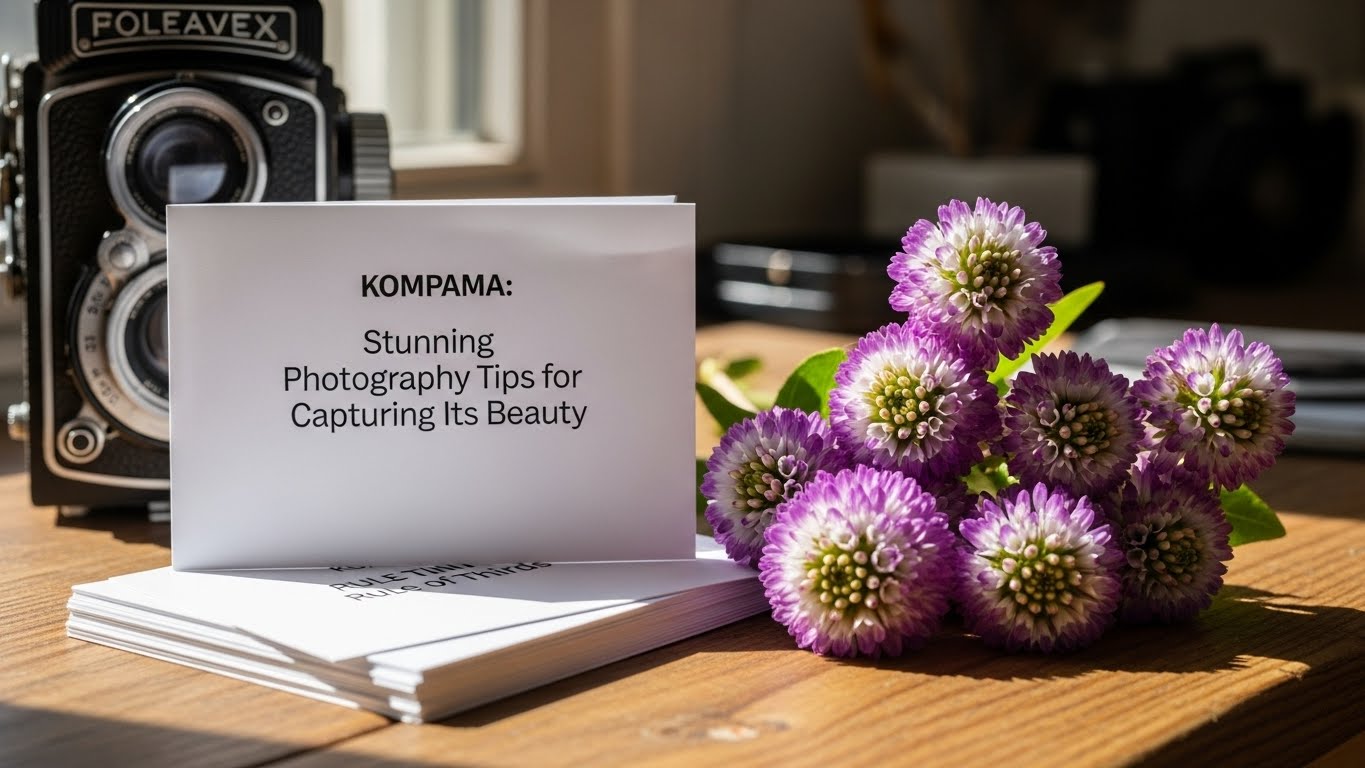
Kompama: Stunning Photography Tips for Capturing Its Beauty
Kompama is a hidden gem, bursting with stunning landscapes, vibrant wildlife, and rich cultural experiences. Nestled in the heart of nature, this breathtaking destination offers an array of photographic opportunities that will leave you spellbound. Whether you’re standing atop a lush hill or wandering through quaint villages, Kompama invites you to capture its essence through your lens. With the right techniques and tips at your fingertips, you’ll transform each snapshot into a masterpiece that reflects the true beauty of this enchanting locale. Ready to embark on an unforgettable photographic journey? Let’s dive into some essential tips for capturing the magic of Kompama!
Tips for capturing the landscape of Kompama:
To truly capture the landscape of Kompama, harnessing natural light is key. Early mornings and late afternoons provide that magical golden glow. It adds warmth to your photos, making them vibrate with life.
Understanding your camera settings can elevate your shots. Experiment with aperture and ISO for depth and detail. A lower f-stop gives a dreamy background blur while keeping your subject sharp.
Composition plays a vital role in photography as well. Rule of thirds can guide you in framing stunning vistas. Look for leading lines or interesting foreground elements to create depth within the scene.
Don’t rush; take time to explore different angles too. A slight shift can transform an ordinary shot into something extraordinary!
– Utilizing natural lighting
Natural lighting can transform your photographs in Kompama. The soft hues of dawn or dusk create a magical atmosphere that enhances landscapes.
Early mornings often bring mist, providing a mystical quality to your shots. Golden hour—the hour after sunrise and before sunset—offers warm tones that make the scenery pop.
Avoid harsh midday sunlight, which can cast unflattering shadows. Instead, seek shaded areas where diffused light creates even brightness across your frame.
Experiment with backlighting for dramatic effects. Silhouetting trees against a vibrant sky adds depth and intrigue to your images.
Cloudy days also offer unique opportunities by softening the light. This gentle illumination captures details without overwhelming contrast.
Be aware of how changing weather conditions affect light throughout the day. Embrace these variations; they add character to each shot you take in this stunning location.
– Choosing the right camera settings
Selecting the right camera settings can make or break your photos of Kompama. Start with understanding ISO, aperture, and shutter speed. These three elements work together to create stunning images.
For landscapes, a low ISO will reduce noise while capturing vibrant colors and details. Set your aperture around f/8 to f/11 for maximum sharpness across the scene. This setting ensures both foreground and background remain in focus.
Shutter speed is equally important; use a slower speed when photographing flowing water or moving clouds to capture that dreamy effect. Conversely, faster speeds are ideal for freezing wildlife action without blur.
Experimenting is key. Don’t hesitate to adjust these settings based on changing light conditions throughout the day. Each moment in Kompama offers unique challenges and opportunities for creativity through your lens.
– Composing the perfect shot
Composing the perfect shot in Kompama is an art that demands attention to detail. First, consider the rule of thirds. Imagine your frame divided into nine equal parts. Place key elements along these lines or their intersections for a balanced composition.
Leading lines can guide the viewer’s eye through your image. Look for paths, rivers, or tree lines that draw focus toward your main subject. This technique adds depth and perspective to your photographs.
Also, experiment with different angles and perspectives. Get low to capture expansive landscapes or climb higher for a sweeping view of valleys and mountains. Each angle reveals unique aspects of Kompama’s stunning scenery.
Don’t rush—take time to observe how light interacts with various elements in the scene. A slight shift in position might transform an ordinary snapshot into something extraordinary, showcasing the true essence of this beautiful location.
Techniques for capturing the wildlife of Kompama:
Wildlife photography in Kompama is an exhilarating experience. Patience is your best friend here. Animals often appear unexpectedly, so staying alert and quiet can make all the difference.
Using a telephoto lens allows you to capture stunning details from afar. This not only keeps the wildlife comfortable but also helps in getting those breathtaking close-ups without intruding on their space.
Respectful distance and behavior are paramount. Observing animals without causing them distress enables authentic moments to unfold. Move slowly and avoid sudden movements; this ensures that you blend into the environment rather than disrupt it.
Mastering these techniques opens doors to unforgettable wildlife encounters, allowing you to document nature’s beauty in its purest form while preserving its integrity.
– Patience and observation
Patience is an essential virtue when photographing wildlife in Kompama. Animals can be unpredictable, often appearing when least expected.
To capture the perfect shot, take your time. Stand still and let the surroundings settle. The more you observe, the better you’ll understand animal behaviors and patterns. This knowledge helps you anticipate movements that lead to stunning photographs.
Find a comfortable spot where you can remain undetected. Quietly watch as creatures go about their daily routines. Your presence should blend into the background; this allows for genuine moments to unfold before your lens.
Use every second wisely—scan your environment for subtle details that might escape notice at first glance. A fleeting glimpse of a bird or the rustle of leaves could signal something extraordinary just out of sight.
Embrace silence and stillness; they are key ingredients in revealing nature’s hidden beauty in Kompama’s enchanting landscapes.
– Using a telephoto lens
A telephoto lens can be a game-changer when photographing Kompama’s wildlife. It allows you to capture stunning detail from a distance, ensuring that animals remain undisturbed in their natural habitat.
With the right focal length, you’ll zoom in on subjects like birds mid-flight or elusive creatures hiding among foliage. The compression effect of telephoto lenses also enhances the background, making your subject pop against a beautifully blurred landscape.
When using this equipment, stability is crucial. Employing a tripod helps maintain sharpness and clarity in your shots.
Don’t forget to experiment with different angles and perspectives. Sometimes shifting just slightly can transform an ordinary scene into something extraordinary. Each moment holds potential; it’s about being ready and aware of your surroundings while you wait for that perfect shot to unfold.
– Respectful distance and behavior towards animals
When capturing wildlife in Kompama, maintaining a respectful distance is crucial. Animals can be easily startled or stressed by human presence.
Use your camera’s zoom capabilities to observe subjects without encroaching on their space. This not only ensures you get better shots but also protects the well-being of the animals.
Avoid sudden movements and loud noises that may disrupt their natural behavior. Patience is your ally here; wait for moments when they feel comfortable enough to act naturally.
Understanding animal behavior helps too. Knowing when they are feeding, resting, or interacting with one another allows you to anticipate great photographic opportunities while keeping a low profile.
Always remember, being an observer rather than an intruder fosters a harmonious relationship between nature and photographer—one that benefits both parties immensely.
Capturing the cultural aspects of Kompama:
Kompama is a melting pot of culture and tradition. Engaging with locals can unveil stories that add depth to your photographs. Approach them with respect; they often appreciate genuine interest.
Consider asking permission before snapping candid shots. A simple smile goes a long way in establishing trust. Authentic interactions yield more meaningful images than posed ones.
Vibrant festivals, local markets, and traditional crafts offer rich opportunities for photography. Capture the colors, expressions, and gestures that tell tales of heritage.
Be mindful of cultural sensitivities when photographing rituals or ceremonies. Understanding the significance behind these moments enhances both your experience and your photos.
Every corner holds potential for unique storytelling through imagery in Kompama’s vibrant community life. Embrace spontaneity as you explore this culturally rich environment!
– Interacting with locals for authentic photos
Engaging with locals in Kompama opens doors to authentic photography. The warmth and hospitality of the community can transform a simple snapshot into a cherished memory.
Start conversations; ask about their lives, traditions, or daily routines. These interactions not only enrich your experience but often lead to candid moments that truly capture the essence of the place.
Be respectful when photographing people. Always seek permission first. A smile and polite approach will make them feel valued and more willing to share their stories.
Consider asking if you can join in on local activities — cooking, music, or crafts. This involvement leads to dynamic imagery filled with genuine emotion and cultural richness.
Remember that every face has a story. Through these connections, you’ll find unique perspectives that elevate your photography beyond mere landscapes into vibrant narratives of life in Kompama.
Conclusion
Kompama is a treasure trove for photographers, offering breathtaking landscapes, vibrant wildlife, and rich cultural experiences. With the right approach, your camera can capture its essence beautifully.
Embrace natural lighting to showcase Kompama’s stunning vistas. Early mornings and late afternoons provide soft light that enhances colors and adds depth to your images. Adjusting your camera settings—like ISO and shutter speed—can further help in achieving that perfect shot.
When it comes to wildlife photography, patience is key. Observing animal behavior allows you to anticipate their movements for striking photos. A telephoto lens will enable you to get close-ups without disturbing them, while maintaining a respectful distance ensures both safety for the animals and better shots.
Don’t overlook the human aspect of Kompama’s beauty. Engaging with locals not only enriches your experience but also provides opportunities for capturing authentic moments that tell compelling stories about this enchanting place.
With these tips in mind, you’re well-equipped to document the captivating allure of Kompama through your lens. Happy shooting!