Museumsaufsicht Job: A Complete, Practical Guide
Every museum visit feels calm, organized, and secure—but that experience does not happen by accident. Behind every gallery space, priceless artifact, and controlled visitor flow, trained professionals quietly ensure everything stays protected and orderly. This is why the term museumsaufsicht job is searched so frequently by people interested in museum careers, cultural institutions, and public-facing roles.
The topic matters because museums rely heavily on this role to protect collections, support visitors, and maintain safe exhibition environments. For job seekers, understanding what a museumsaufsicht job actually involves helps set realistic expectations and opens doors to long-term work in the cultural sector.
What Is a Museumsaufsicht Job?
A museumsaufsicht job refers to a museum supervision role responsible for overseeing exhibition areas and visitor behavior. The word “Aufsicht” comes from German and translates to supervision or oversight. In practical terms, it describes staff members who monitor galleries, protect artworks, assist visitors, and ensure museum rules are followed.
Although the term is German, the role exists worldwide under different names such as museum attendant, gallery supervisor, exhibition floor staff, or museum invigilator. The responsibilities are largely universal across museums, galleries, and cultural institutions.
A museumsaufsicht is not a tour guide and not a security officer. Instead, the role focuses on presence, awareness, visitor interaction, and preventive protection of exhibits.
Why Museumsaufsicht Roles Are Essential
Museums house fragile and often irreplaceable objects. Even small disruptions—crowding, accidental contact, or unsafe behavior—can cause serious damage. Museumsaufsicht staff reduce these risks simply through active supervision and calm authority.
Their presence also improves visitor experience. Guests feel more confident asking questions, navigating spaces, and understanding rules when knowledgeable staff are visible on the museum floor. Without this role, museums would struggle to balance public access with conservation responsibilities.
Key Responsibilities of a Museumsaufsicht
Supervision of Exhibition Spaces
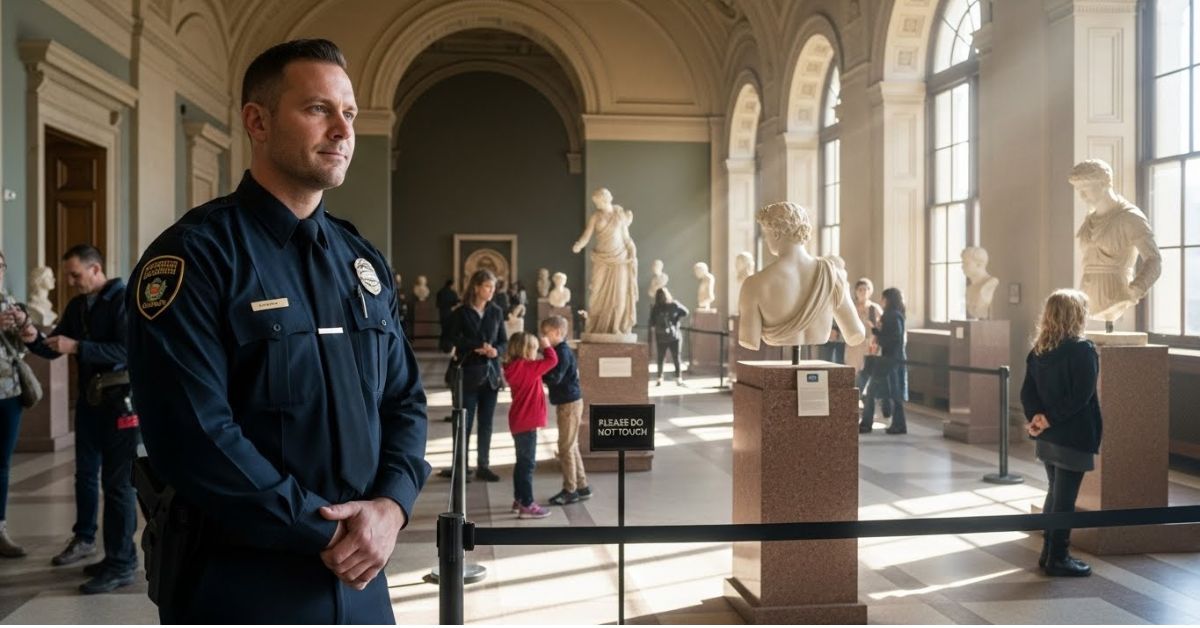
The core responsibility is monitoring assigned galleries throughout the day. This includes observing visitor movement, ensuring safe distances from artworks, and watching for potential hazards. Constant awareness helps prevent incidents before they occur.
Protection of Artworks and Displays
Museumsaufsicht staff help safeguard exhibits by enforcing no-touch policies, monitoring environmental risks, and reporting any irregularities. While they do not perform conservation work, their vigilance supports long-term preservation efforts.
Visitor Assistance and Guidance
Visitors often need basic support, such as directions, clarification of rules, or help locating facilities. A museumsaufsicht provides this assistance politely and professionally, contributing to a welcoming museum environment.
Enforcement of Museum Policies
Every museum has regulations regarding photography, bags, food, noise levels, and visitor conduct. Museumsaufsicht staff ensure these policies are followed consistently, using communication rather than confrontation whenever possible.
Incident Reporting and Emergency Response
If a medical issue, safety concern, or operational problem arises, museumsaufsicht staff follow established procedures and report issues promptly. Their training ensures visitors remain safe until specialized teams intervene.
Skills Required for a Museumsaufsicht Job
Strong Observation Skills
The ability to notice subtle changes in visitor behavior or environmental conditions is essential. Good observation prevents accidents and protects exhibits.
Clear and Calm Communication
Museumsaufsicht staff interact with visitors from many backgrounds. Clear explanations, polite instructions, and calm conflict handling are key to maintaining order without tension.
Cultural Awareness and Professional Conduct
Museums serve diverse audiences. Cultural sensitivity and respectful behavior help create inclusive, comfortable spaces for all visitors.
Reliability and Focus
Museums depend on consistency. Staff must remain attentive during long shifts and follow procedures accurately, even during quiet periods.
Basic Safety Awareness
Understanding emergency protocols, evacuation routes, and incident reporting procedures supports overall museum safety and operations.
Education and Training Background
Most museumsaufsicht jobs do not require advanced academic degrees. A general education is often sufficient. However, backgrounds in art history, cultural studies, tourism, or public service can be beneficial.
Training is usually provided by the museum and covers visitor interaction, safety procedures, museum rules, and communication standards. Larger institutions often offer structured onboarding programs to maintain consistent service quality.
Working Conditions and Environment
Physical Setting
Museumsaufsicht staff work primarily inside exhibition spaces. The job involves standing, walking, and remaining alert for extended periods. Climate-controlled environments are common to protect artworks.
Work Schedules
Museums operate on fixed opening hours, including weekends and public holidays. Many museumsaufsicht jobs offer part-time or shift-based schedules, making them suitable for students or flexible workers.
Team-Based Operations
Museumsaufsicht staff work alongside security teams, visitor services, and curatorial staff. Effective coordination ensures smooth daily operations and visitor safety.
Career Path and Progression
A museumsaufsicht job can serve as an entry point into the museum sector. With experience, staff may move into senior supervisory roles, visitor services management, or museum operations positions.
Some professionals use this role to gain hands-on exposure before transitioning into curatorial, educational, or administrative museum careers. The experience builds strong institutional knowledge and public-facing skills.
Global Relevance of the Museumsaufsicht Role
Although the term originates from German-speaking countries, the role itself is globally recognized. Museums worldwide require staff dedicated to supervision, visitor interaction, and exhibit protection. This makes the museumsaufsicht job concept relevant across international job markets.
As museums continue to expand access and exhibitions, demand for trained floor staff remains steady and essential.
Conclusion
The museumsaufsicht job plays a critical role in the daily functioning of museums and galleries. By combining supervision, visitor support, and preventive protection, this position helps balance public access with cultural preservation.
Understanding this role clearly benefits both job seekers and institutions. It represents a practical, stable, and meaningful way to contribute to the protection and presentation of cultural heritage worldwide.
FAQs
What does a museumsaufsicht job involve?
It involves supervising exhibition spaces, protecting artworks, assisting visitors, and enforcing museum rules.
Is a museumsaufsicht job the same as museum security?
No, it focuses on supervision and visitor support rather than active security enforcement.
Do you need a degree for a museumsaufsicht job?
Most positions do not require a degree, though cultural or service-related backgrounds are helpful.
Is a museumsaufsicht job suitable for part-time work?
Yes, many museums offer part-time and shift-based schedules.
Can a museumsaufsicht job lead to other museum careers?
Yes, it often serves as a stepping stone to visitor services, operations, or curatorial support roles.