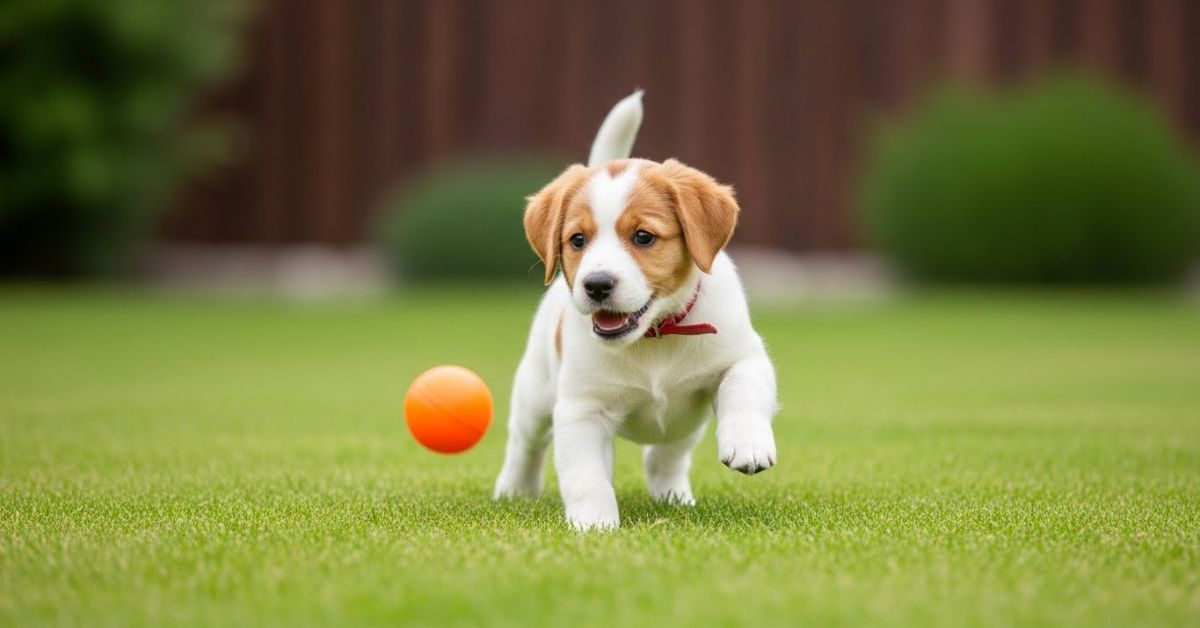
Valplekar: Understanding Puppy Play and Development
Valplekar is a concept that matters deeply for anyone raising puppies. Understanding this framework is key because it directly influences a puppy’s physical health, social skills, and mental growth. Many dog owners search for this term to ensure their young dogs develop into confident, well-adjusted adults. Early engagement in structured puppy play and developmental exercises can prevent behavioral issues and create a strong bond between the puppy and its caregiver.
What is Valplekar?
Valplekar refers to structured play and developmental activities designed for puppies. It includes interactions with littermates and humans that support physical coordination, cognitive growth, and emotional stability. By engaging in these guided exercises, puppies learn boundaries, develop motor skills, and gain social experience that helps them navigate the world confidently.
Physical Development Through Play
Play activities in valplekar stimulate muscle growth and coordination. Puppies engage in running, jumping, and pouncing, which strengthen their bones and muscles. Proper routines prevent developmental delays and encourage healthy energy expenditure. Age-appropriate tugging games and obstacle navigation help puppies refine balance and agility.
Physical stimulation also supports overall health. Puppies involved in regular development exercises show improved cardiovascular fitness, better digestion, and are less prone to obesity. Movement-based play enhances neurological development, helping puppies process sensory input more efficiently.
Cognitive and Mental Growth
Valplekar is not just about physical play—it impacts a puppy’s mental growth. Interactive games and problem-solving exercises enhance memory, focus, and learning abilities. Puppies exposed to varied environments and challenges during structured play develop adaptability and curiosity.
Cognitive enrichment reduces stress. Mentally stimulated puppies are less likely to show anxiety-driven behaviors, such as excessive barking or destructive chewing. Introducing puzzles, scent games, or hide-and-seek activities fosters critical thinking and problem-solving skills.
Socialization and Behavioral Benefits
Social interaction is central to valplekar. Puppies learn communication skills, empathy, and bite inhibition through play with littermates, other dogs, and humans. Properly structured sessions teach puppies to recognize body language, respond to cues, and establish healthy relationships.
Behavioral issues often arise when puppies miss key social development windows. Structured play prevents fearfulness, aggression, and isolation tendencies. Puppies that regularly engage in social activities demonstrate confidence in new environments, better tolerance of strangers, and smoother integration into households with multiple pets.
Age-Appropriate Techniques
1. Neonatal to 4 Weeks
-
Gentle handling by humans
-
Short, soft interactions with littermates
-
Mild sensory exposure like sounds and textures
2. 4 to 8 Weeks
-
Supervised interactive play
-
Introduction to basic commands
-
Early socialization with different people and safe objects
3. 8 to 16 Weeks
-
Structured games encouraging problem-solving
-
Safe outdoor exploration
-
Controlled sessions with other puppies or calm adult dogs
4. Beyond 16 Weeks
-
Advanced agility or coordination exercises
-
Continued socialization and environmental enrichment
-
Reinforcement of learned behaviors through consistent practice
These progressive stages ensure puppies receive developmentally appropriate challenges, keeping them engaged without being overwhelmed.
Environmental and Safety Considerations
Structured play should always occur in a safe, controlled environment. Avoid hazards like sharp objects, toxic plants, or unsupervised water areas. Puppies should never be pushed beyond their physical limits, and play sessions should be short but frequent.
Environmental enrichment also plays a role: different surfaces, scents, and visual stimuli encourage adaptability. Rotating toys and controlled exposure to new spaces enhances learning while maintaining safety.
Long-Term Benefits
Puppies that experience structured developmental play are better prepared for adulthood. They exhibit:
-
Stronger emotional resilience
-
Enhanced social skills
-
Greater learning capacity
-
Reduced likelihood of behavioral problems
Early investment in guided play pays off in healthier, happier adult dogs who are easier to train, more confident, and well-adjusted in diverse environments.
Conclusion
Valplekar provides a structured approach to puppy development, covering physical, cognitive, and social growth. By applying age-appropriate activities, caregivers can ensure puppies grow into confident, adaptable, and emotionally stable dogs. A thoughtful approach helps prevent behavioral issues and fosters a lifelong bond between pet and owner.
FAQs
1. How often should puppies engage in valplekar exercises?
Short, frequent sessions—10–20 minutes, 2–4 times per day—adjusted by age, are ideal.
2. Can developmental play replace formal training?
No. Structured play complements training by building foundational skills, but obedience and behavior training are still necessary.
3. What toys are best suited for puppy development?
Soft, age-appropriate toys and puzzle feeders stimulate play and cognitive growth safely.
4. What if a puppy shows fear during play?
Reduce intensity, provide gentle encouragement, and gradually introduce new experiences. Positive reinforcement works best.
5. Does early structured play prevent aggression?
Yes. Guided social and developmental exercises during puppyhood reduce the likelihood of aggression and support healthy adult behavior.